
HGV inspection pits, planned around the lane.
Commercial inspection pits provide under-vehicle access in HGV and PSV workshops and can form part of an ATF or other heavy-vehicle testing lane. The pit is planned around the vehicles, access requirements and any brake-testing, play-detection or jacking equipment that needs to work with it.
Commercial inspection pits for workshops and testing lanes
How the pit is used shapes how it should be planned, whether it sits in a commercial testing lane or a fleet maintenance workshop.
Pits in an HGV testing lane
In an ATF lane the pit works with the testing equipment: the play detector, jacking for axle checks and the inspector's view of the underside. Its position is set by the brake tester and the order vehicles move through the lane.
ATF equipment & test lanes ›Pits in a commercial workshop
In a fleet or repair workshop, the pit provides standing access beneath trucks, buses, coaches and trailers for inspection and maintenance.
Workshop equipment ›What we look at when planning a pit
The site survey checks the proposed or existing pit against the vehicles and the equipment that will use it.
Vehicles
Vehicle lengths, axle configurations and how vehicles enter and leave the bay.
Lane equipment
The position of the brake tester, play detector and headlamp tester relative to the pit.
Services
Power and drainage requirements identified from the equipment and proposed layout.
Working safely
Access into the pit, lighting and pit-edge protection considered as part of the workshop layout.
The play detector sets into the pit or floor with the lane.
Axles lifted from inside the pit for inspection and repair.
Planned into the pit layout where the lane needs it.
The equipment in and around the pit
A commercial play detector can be installed in the pit or floor, while in-ground HGV brake testers sit in line with the lane.
Pit jacks raise axles from inside the pit for inspection and repair. Where brake testing uses load simulation, that equipment also needs to be considered with the pit and brake-tester recess at the planning stage.
Working with the pit you already have
Existing commercial pits and recesses can be surveyed before new testing equipment is specified. Liftmaster checks the dimensions and layout and confirms what equipment can be accommodated and what adaptation may be required.
The Capelec CAP9110 has a compact footprint that may suit many existing recesses, but fit must be confirmed on the individual site.
See the CAP9110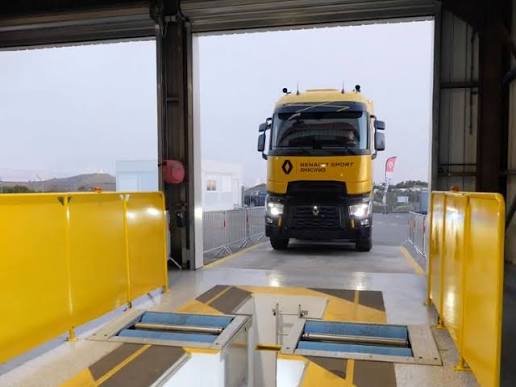 Existing Pits
Equipment for commercial pits and lanes
The pages below cover the equipment most often planned with a commercial inspection pit.
HGV brake testers
Capelec and BM Autoteknik commercial roller brake testers for HGV and PSV applications.
View brake testers ›Commercial play detectors
Commercial play detection installed in the pit or floor in line with the lane.
View play detectors ›ATF equipment & test lanes
The full commercial testing lane, planned around the site and vehicle requirements.
View ATF equipment ›Planning, installation and commissioning
Liftmaster surveys the site and plans the inspection pit with the surrounding testing or workshop equipment. Where Liftmaster is supplying the lane equipment, installation, calibration and commissioning are coordinated around the agreed layout. Ongoing service and breakdown support are available through Liftmaster’s own engineers and trusted subcontractors.
Installation & servicingSite, pit, power and drainage checked against the layout.
Equipment fitted and set out around the pit.
Calibrated and commissioned before you start work.
Tell us the site and the vehicles. We will plan the pit.
Send the vehicles, whether the site already has an inspection pit and what the workshop or testing lane needs to do. The Commercial team can assess the layout and provide the relevant equipment proposal and quotation.