Class 7 MOT Bays.
What a Class 7 bay tests, and who needs it
A Class 7 bay tests goods vehicles and larger vans: conventional vehicles over 3,000kg up to and including 3,500kg design gross weight, and, from 1 June 2026, zero-emission goods vehicles between 3,501kg and 4,250kg. It is intended for garages and commercial workshops carrying out MOT testing on vans and light commercial vehicles.
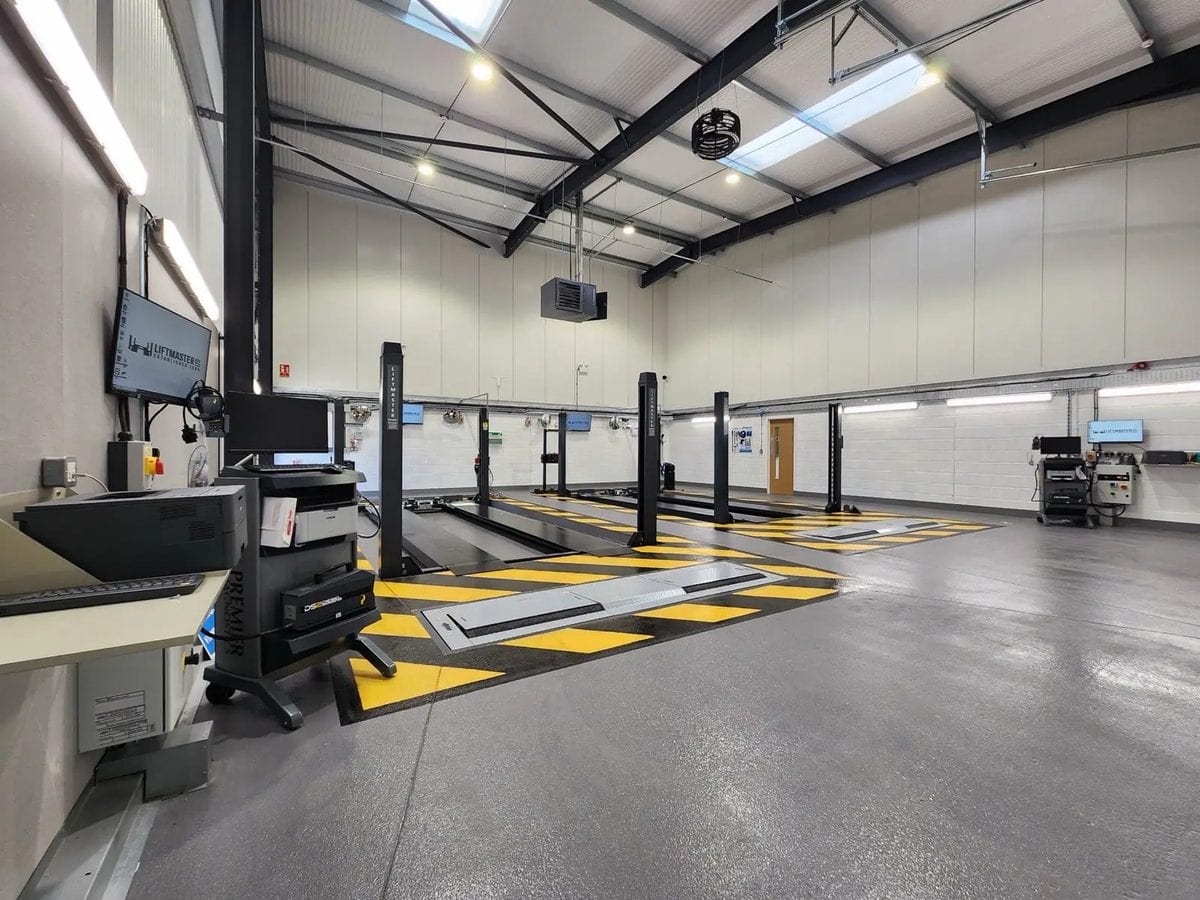
Liftmaster supplies complete Class 7 MOT bays with the lift, brake tester, headlamp tester, play detectors and turn plates specified for the larger vehicle class. Complete bays carry a 2-year parts and labour warranty. Liftmaster handles design, equipment supply, installation and calibration, and supports the customer through the DVSA approval process.
See the full MOT bay equipment range. If the site will also test Class 4 vehicles in the same lane, see Class 4 and 7 combined bays. For Class 1 and 2 testing, see the motorcycle MOT bay.
Class 7 rules changed in June 2026
From 1 June 2026, zero-emission goods vehicles between 3,501kg and 4,250kg design gross weight are tested as Class 7. Conventional Class 7 goods vehicles are unchanged at over 3,000kg up to and including 3,500kg. Hybrids and range extenders are not included.
Class 7 testing stations must accept these vehicles. No equipment upgrade is mandated and the Class 7 bay specification itself has not changed, but because a 4,250kg van can now present for test it is worth confirming what the existing lift, jacking beam and brake tester are rated for.
The equipment in a Class 7 bay
A Class 7 bay uses the shared core MOT equipment below, specified for the larger vans and light commercial vehicles covered by Class 7. A scissor lift, four-post lift or pit provides under-vehicle access, with the access equipment selected for the Class 7 bay specification.
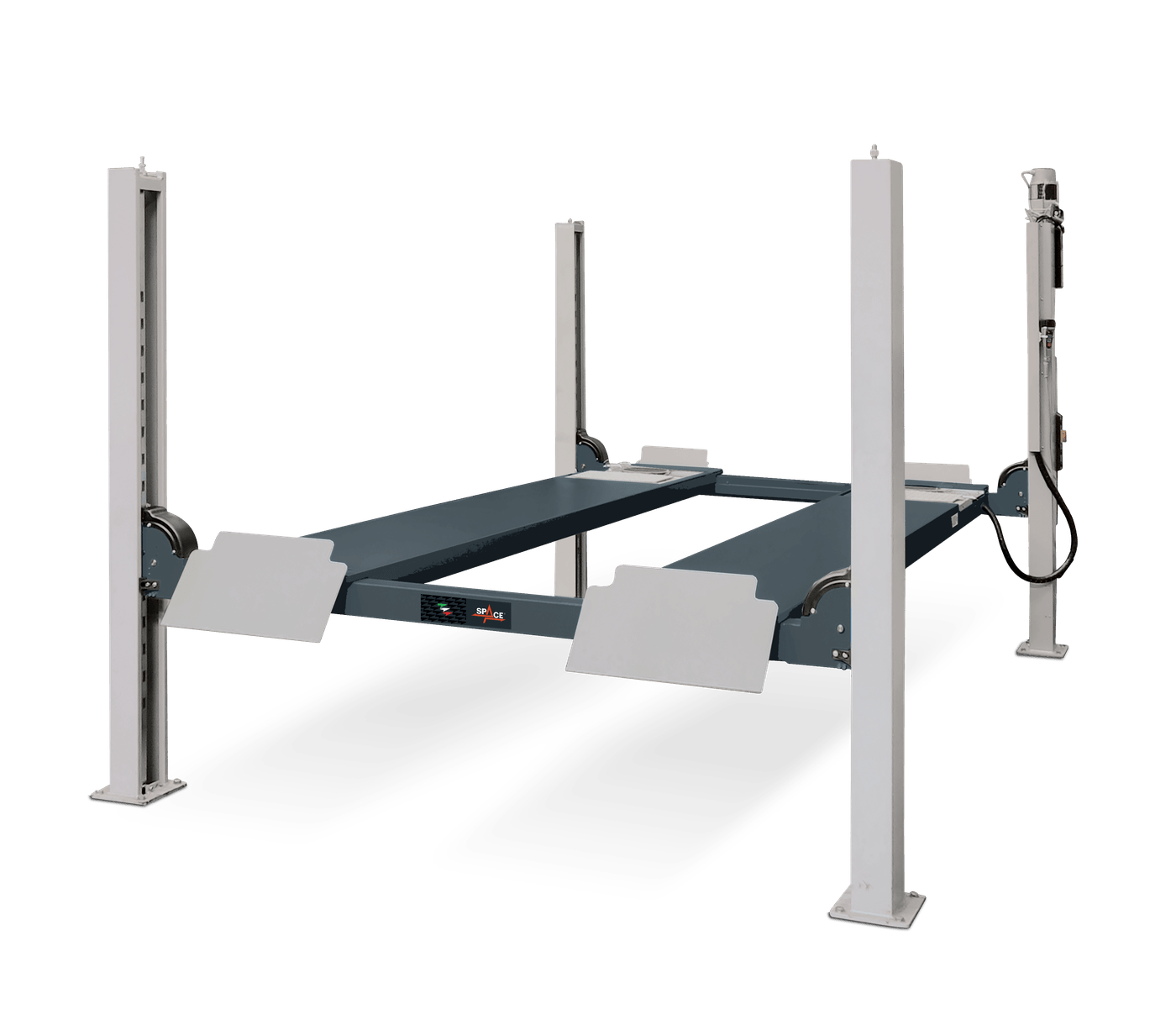
A scissor lift, four-post lift or pit provides under-vehicle access, specified for the Class 7 vehicle range and bay layout.
View MOT bay lifts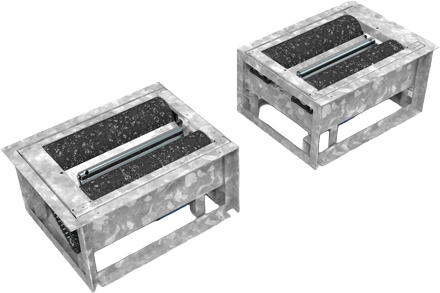
Measures braking efficiency and imbalance across the axles. Connected roller brake testers send results to the DVSA MTS system where required by the installation.
View brake testers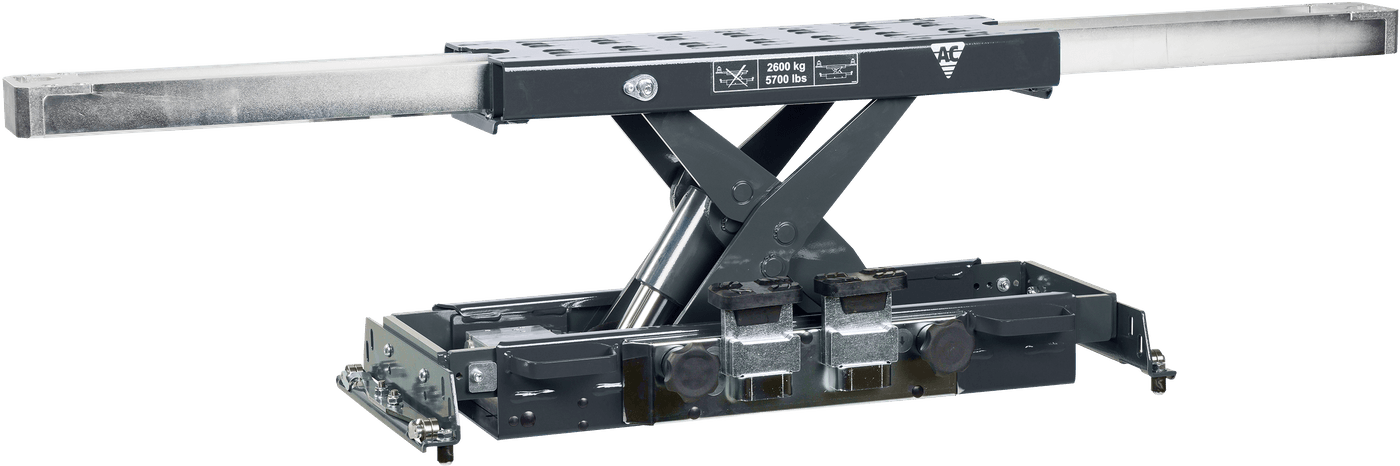
Raises an axle clear so wheel bearings, steering joints and suspension can be checked. The jacking beam is positioned to suit the lift or pit layout.
View jacking beams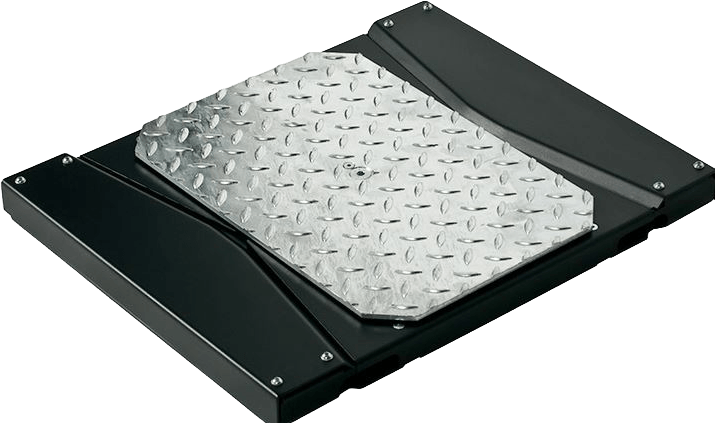
Sliding plates allow steering and suspension movement to be checked under load. They are incorporated where required by the ATL or bay configuration.
View play detectors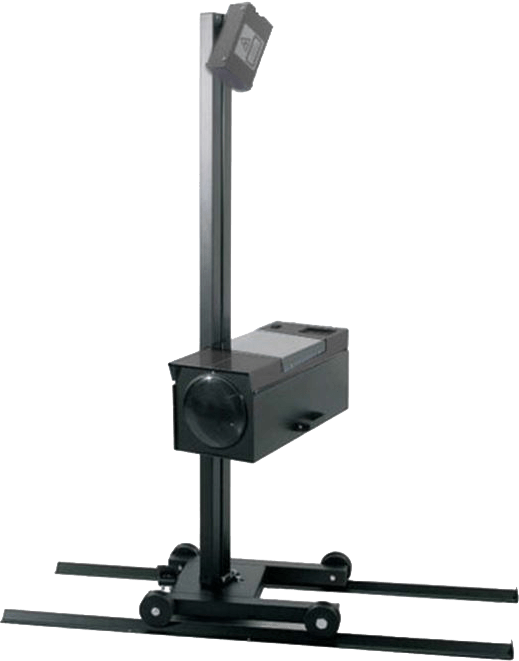
Checks headlamp beam alignment and intensity against MOT limits. The equipment is set up on the level operating area or rail system required by the selected tester.
View headlamp testers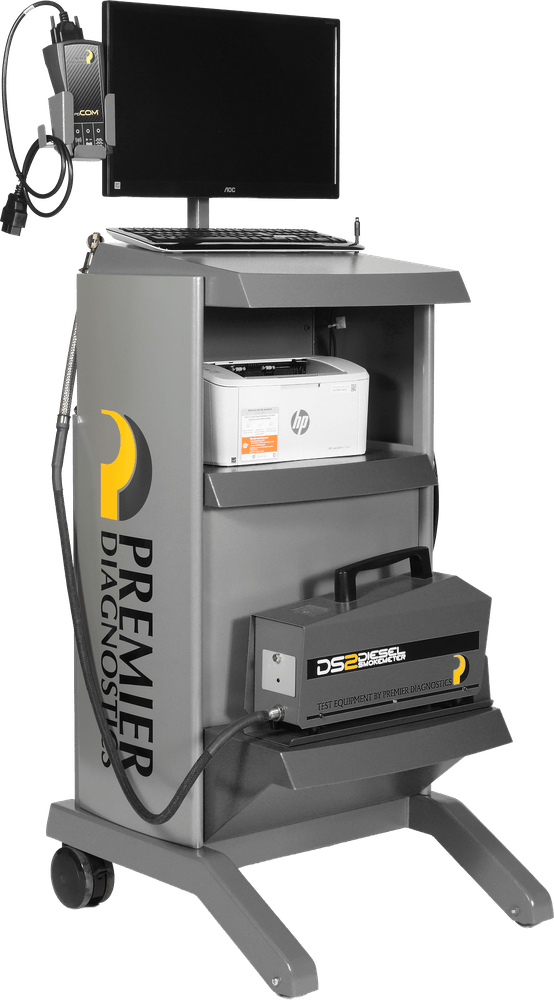
Petrol gas analysers and diesel smoke meters are specified for the emissions testing required by the vehicle classes served by the bay. Connected equipment reports to the DVSA testing service where applicable.
View emissions analysers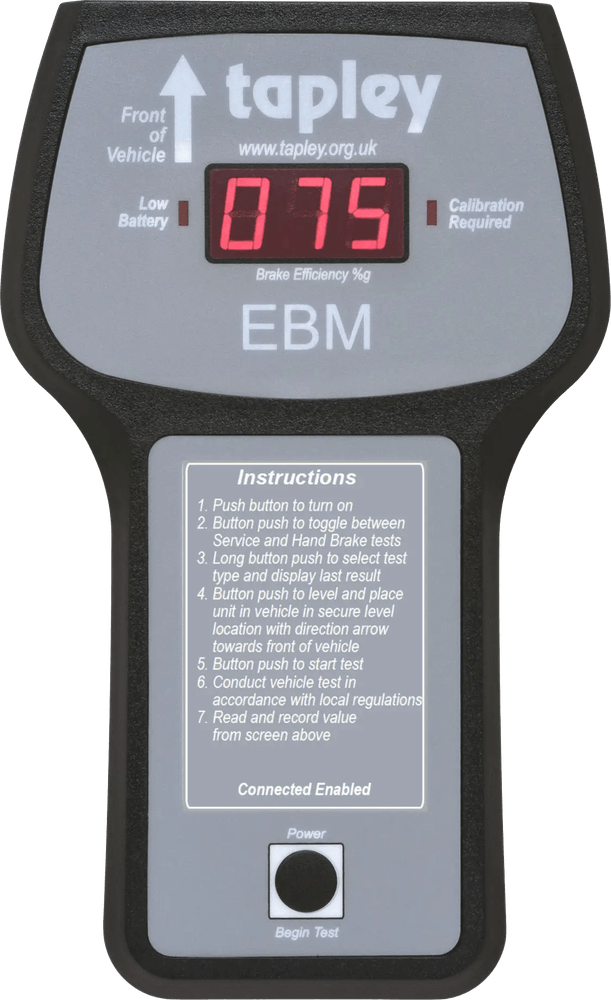
Records braking performance on a road test where a roller brake tester cannot be used for the vehicle being tested.
View decelerometersChoose your Class 7 bay
Liftmaster’s ready-made Class 7 bays are supplied as ATL as standard, with play detectors and captive turn plates. Choose a four-post or scissor lift suitable for the bay layout, with wheel-alignment provision where required. A pit layout can also be specified.
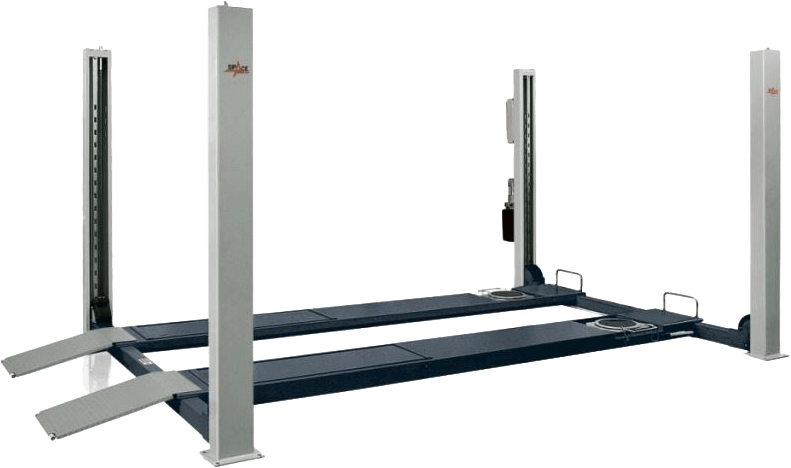
- Play detectors
- Captive turn plates
- DVSA roller brake tester
- Headlamp beam tester
- Jacking beam
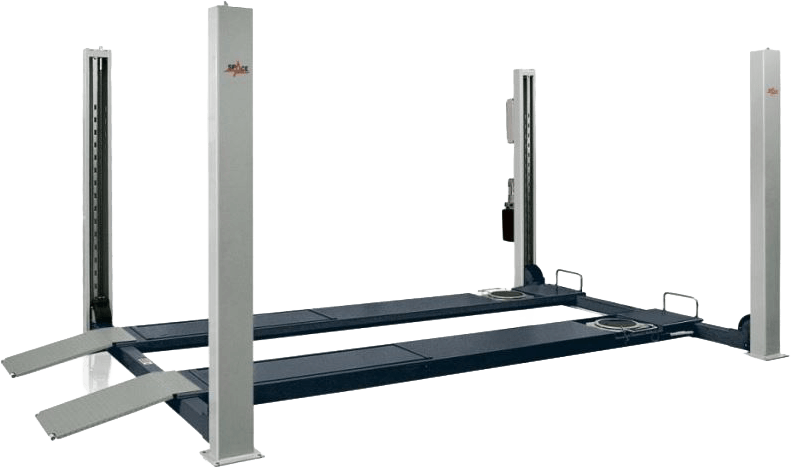
- Wheel alignment (rear slip plates)
- Play detectors & turn plates
- DVSA roller brake tester
- Headlamp beam tester
- Jacking beam
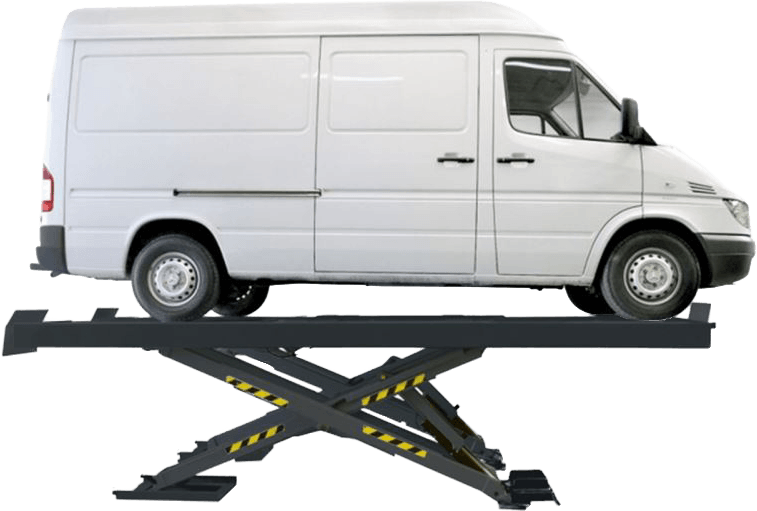
- Play detectors
- Captive turn plates
- DVSA roller brake tester
- Headlamp beam tester
- Jacking beam
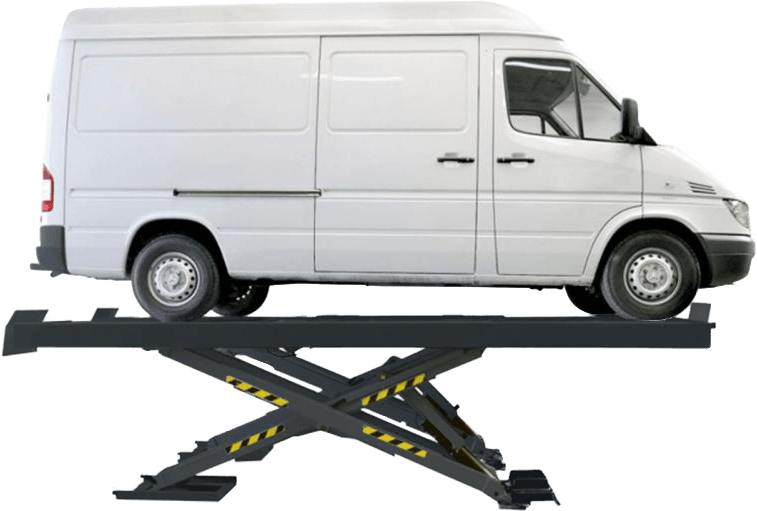
- Wheel alignment (rear slip plates)
- Play detectors & turn plates
- DVSA roller brake tester
- Headlamp beam tester
- Jacking beam
Prefer a pit layout? See pit-based Class 7 bays.
Planning the bay
A Class 7 bay needs a layout that accommodates larger vans and light commercial vehicles, including sufficient bay length and access equipment specified for the Class 7 vehicle range. The headlamp tester also needs a level operating area. The site survey checks the floor, power supply, drainage and layout before installation.
Getting the bay approved
Liftmaster specifies the required equipment from the DVSA-approved equipment list, installs and calibrates it to the required specification, and provides the paperwork needed for the DVSA site assessment. Liftmaster supports the approval process; DVSA site authorisation remains a separate step.
Keep the bay compliant
DVSA requires MOT testing equipment to be calibrated and serviced every 6 months. Liftmaster can coordinate the servicing and calibration required across the bay.
Get a quote for your Class 7 bay
Send the site details and the test requirements and the team will come back with the equipment list and a quotation. Finance options are available.
Class 7 bay questions
What is the difference between a Class 4 and a Class 7 bay?
What lift capacity does a Class 7 bay need?
Is a Class 7 bay single or three phase?
Can one bay test both Class 4 and Class 7?
Is finance available on a Class 7 bay?
Other bay types
Related reading
Talk to the team about your Class 7 bay
Tell us about your unit, the MOT classes you want to test and the vehicle mix. Liftmaster will review the layout, specify the equipment and quote for supply, installation and calibration. Where a site survey or DVSA approval support is needed, the team will include that in the next steps.